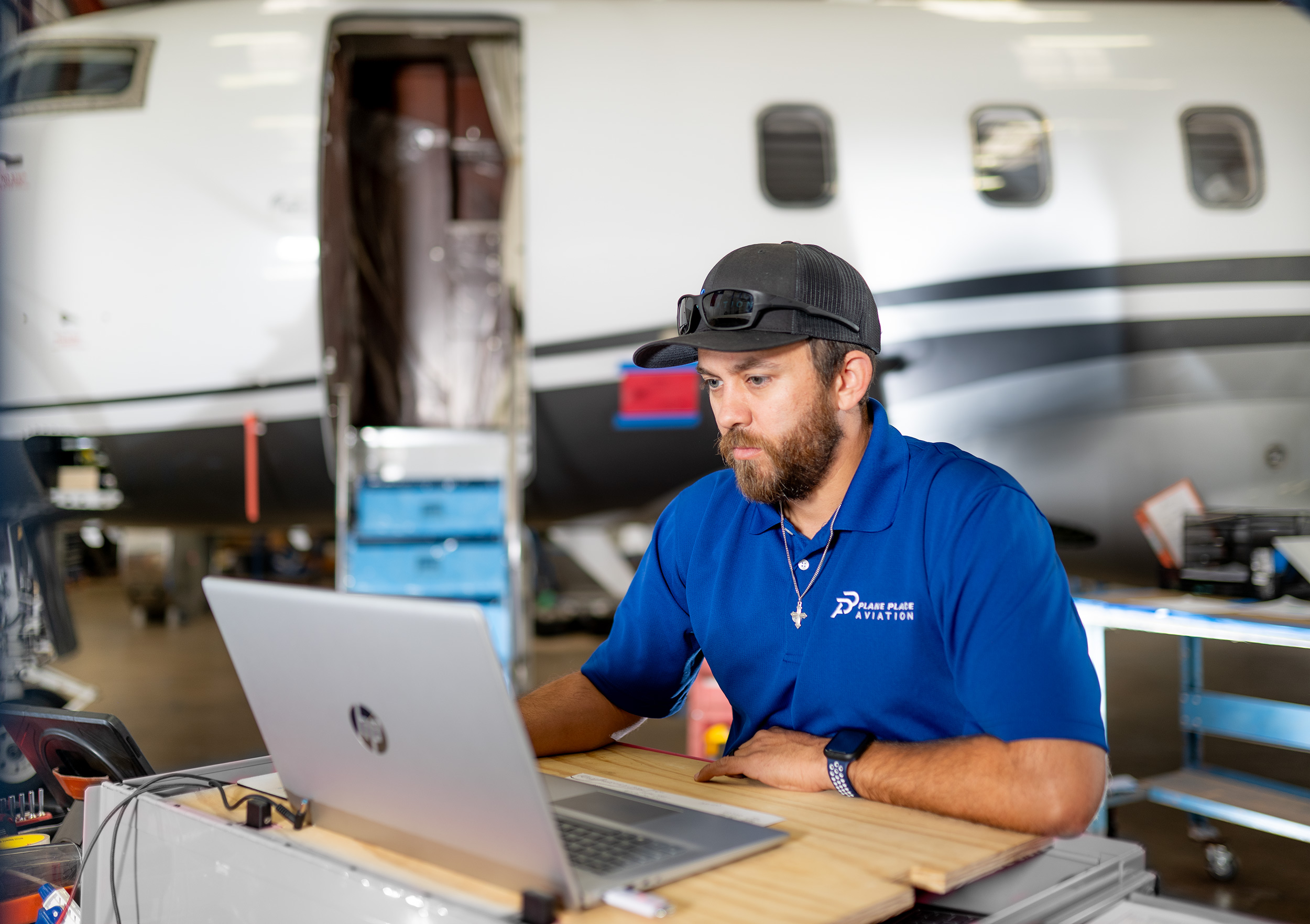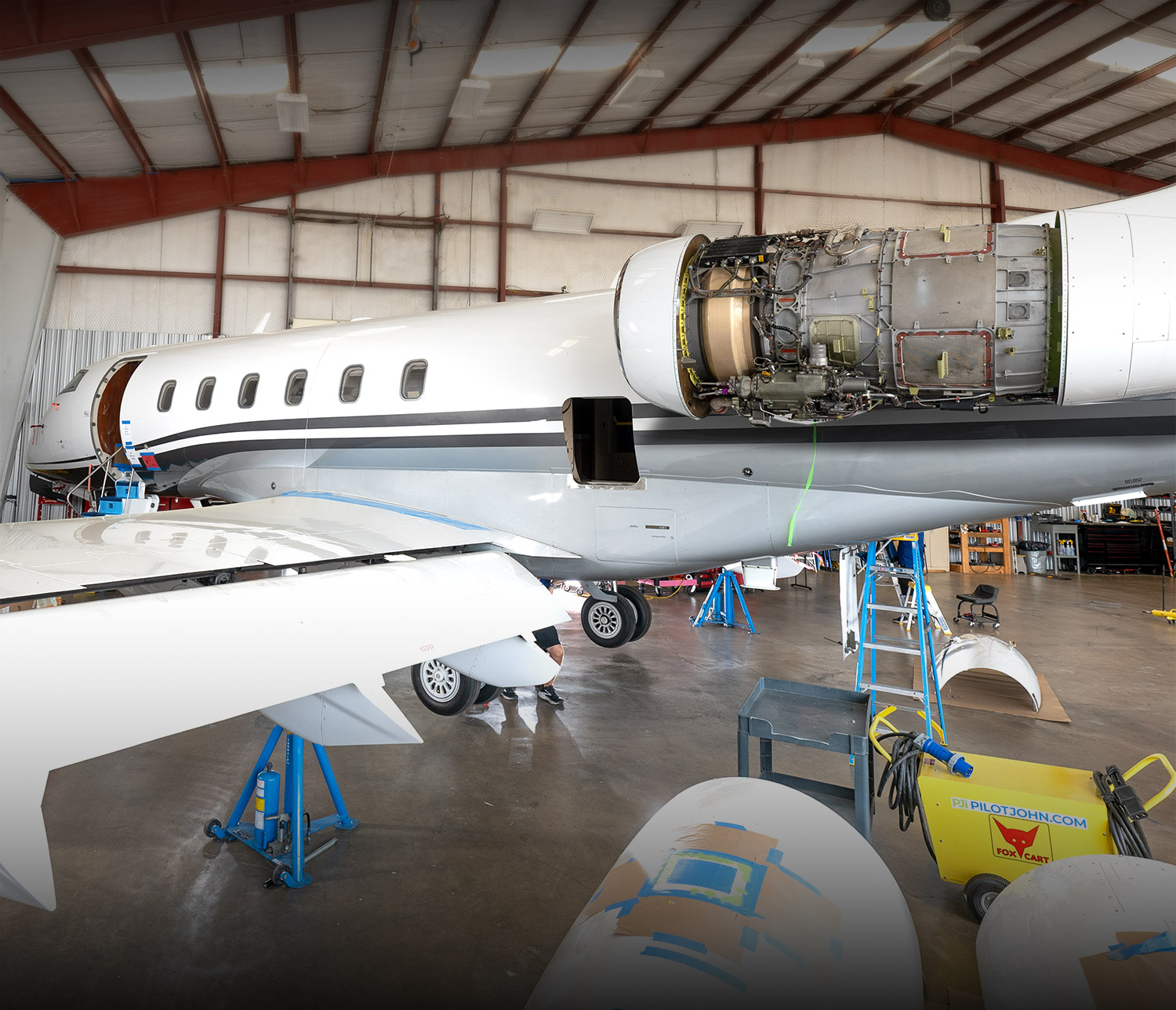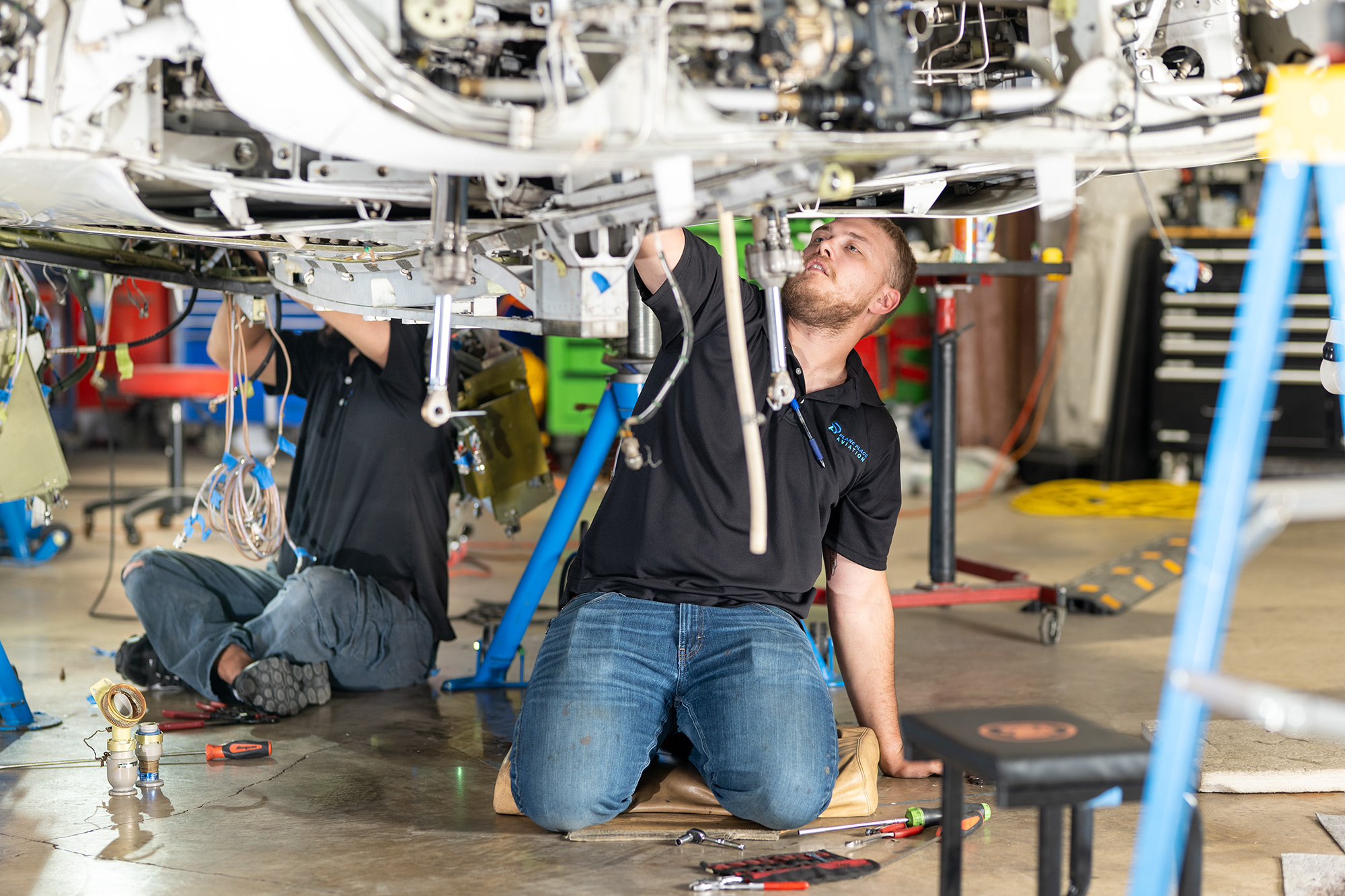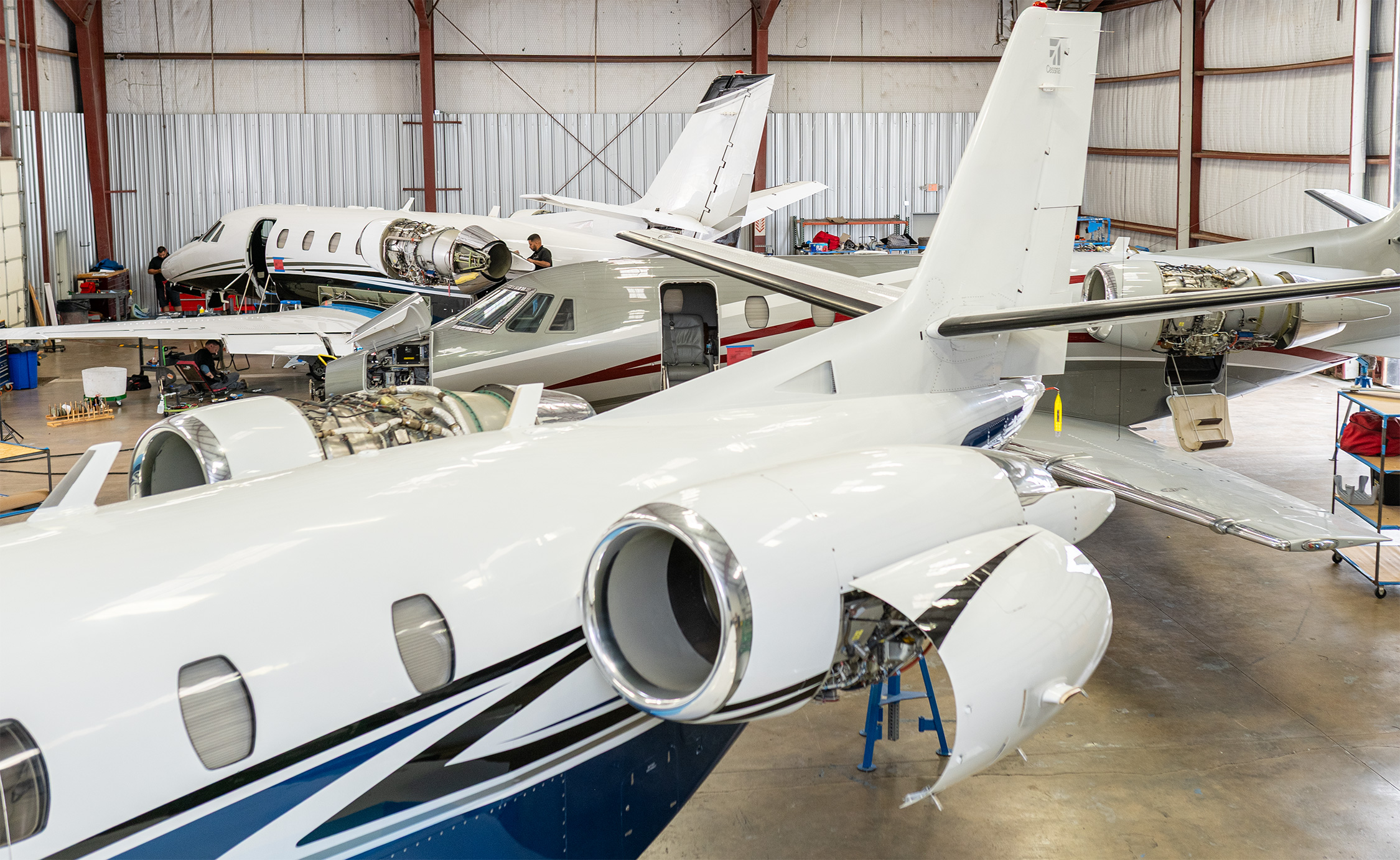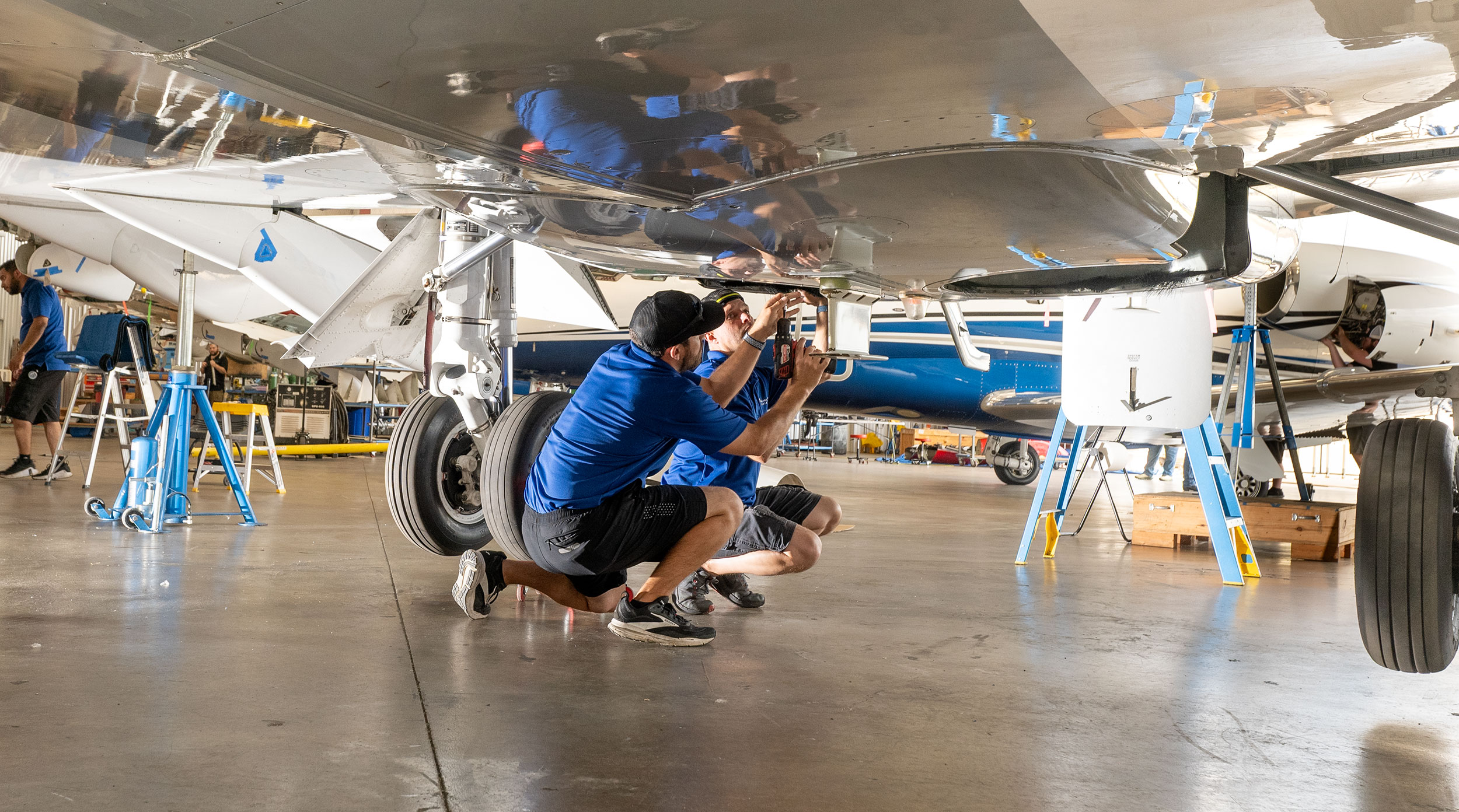
Challenger aircraft undergoing maintenance at Plane Place Aviation
Bombardier

Challenger

300 / 350 / 604 / 605 / 650

Specialist Challenger maintenance from the 300/350 through the 604/605/650. Our team delivers on complex inspection events, structural work, and everything in between.

Models We Service

The Challenger Fleet

Every model in the Challenger family — airframe-specialist technicians, the tooling, and the parts network to support each one.

300

350

604

605

650

Major Maintenance Events

Challenger 300/350 96 & 192-Month Inspections

Every 96 and 192 months, your Challenger is due for a major inspection and landing gear removal. Plane Place Aviation has completed several of these inspections and gear removals — we have the tooling, knowledge, and attention to detail this maintenance requires.

Our factory-trained Challenger 300/350 technicians are on staff to support your aircraft at all times. From routine 96-month events to comprehensive 192-month inspections, we bring deep airframe specialization to every job. We see the same patterns again and again across this fleet, which means we know what to look for and how to plan the work — including known structural findings in the main entry area that often surface during the 192-month event.

Plane Place Aviation also supports Challenger 604, 605, and 650 maintenance. Whether you're scheduling a heavy maintenance event or facing an unscheduled squawk, our 24/7 AOG response covers Texas and Oklahoma — so when your Challenger is down, we come to you.

Inspection Cadence

Challenger Inspection Intervals at a Glance

The Challenger 300 and 350 are maintained under an MSG-3 framework — the same logic-driven inspection methodology used on modern transport-category aircraft — with scheduled maintenance triggered by hours, landings, and calendar time. The two anchors most operators plan around are the 96-month and 192-month inspections. The 96-month is a substantial calendar event that opens up systems, structure, and zonal areas on a defined schedule. The 192-month is the heavier of the two, and it's where landing gear removal and overhaul lands alongside expanded structural inspection.

Between those calendar anchors, the 300/350 runs a cycle of lighter scheduled tasks — A-Checks and zonal inspections at shorter intervals — plus task cards that pop on hours or landings rather than calendar time. A high-utilization Challenger 350 in charter service will hit hour-triggered tasks well before a corporate aircraft on the same airframe, and we plan the workscope from your specific records, not a generic timeline.

The 604, 605, and 650 sit on their own maintenance program lineage — longer-cabin, GE CF34-3B power, and an inspection cadence that's similar in structure to the 300/350 but distinct in detail. We run each program separately and won't apply a 350 workscope to a 605 just because both wear a Bombardier badge.
Common Findings

What We See Often on Challengers

The most well-known finding on the Challenger 300/350 is corrosion in the main entry area — a pattern that surfaces on heavy events across the fleet and that we've written about separately on the PPA blog. The cause is straightforward: moisture intrusion at the door sill, combined with dissimilar materials and time, eventually shows up as corrosion in the surrounding structure. The fix is straightforward too, when it's caught early and scoped honestly. We know exactly where to look during a 192-month event and we plan around the possibility from day one of the workscope.

Landing gear is the other big-ticket area, especially on the 192-month when gear removal and overhaul are part of the event. Our gear program is built around the specific Challenger 300/350 gear cycle, with the tooling, fixtures, and gear-shop partnerships to keep the off-aircraft work moving in parallel with the airframe-side work.

Beyond those headliners, we see the usual mix on the rest of the fleet: APU squawks, environmental system seal items, avionics integration squawks (particularly where ADS-B and FANS upgrades have been layered onto older cockpits on the 604/605), and the steady stream of minor structural findings that show up any time you open up a 20-year-old large-cabin aircraft.

Engines

Honeywell HTF7000 and GE CF34-3B Notes

The Challenger 300 runs Honeywell HTF7000s; the 350 stepped up to the HTF7350 with improved hot section life and higher thrust at altitude. Both engines have matured well, and the support network — Honeywell-authorized engine shops, life-limited part availability, and trend monitoring tooling — is in good shape. Hot section condition is still the variable that most influences planning, and we look at borescope data and engine trend reports before scoping any heavy event so the engine side and airframe side of the schedule don't fight each other.

The 604, 605, and 650 fly behind GE CF34-3B variants — the same engine family used across the Bombardier CRJ regional fleet, which means parts availability and shop infrastructure are mature. Life-limited parts on the CF34 follow their own schedule and can be expensive to address all at once, so we map life-limit timing into the operator's long-term maintenance forecast rather than letting it surprise the next event.

We don't perform off-wing engine work in-house, but we coordinate it: working with the operator's preferred engine shop, sequencing the off-wing event with the airframe inspection, and making sure the aircraft comes out the other side as a single coordinated package rather than two parallel projects bolted together.

Heavy Event Planning

Planning a Challenger 192-Month Event

A Challenger 192-month inspection is one of the largest planned events in an aircraft's life cycle, and the single biggest variable in how it goes is how well it was planned. We start the conversation with operators 6 to 12 months ahead of the due date — sometimes longer — because long-lead parts, gear-shop slot availability, and engine-shop sequencing all need to be locked in before the aircraft arrives.

Downtime is a range, not a number. The honest answer depends on the specific aircraft, its records, what we find when we open it up, and how the engine and gear timelines align. We give operators a planning range up front, update it as inspection findings come in, and communicate change-orders the moment they're real rather than at the end of the event. The goal is to keep the operator's flight schedule and the maintenance reality on the same page from start to finish.

Pre-event prep matters more than most operators expect. We ask for records up front, walk through the open items list, scope any deferred maintenance, and pre-order long-lead parts before the aircraft arrives in Cleburne. By the time the aircraft is on jacks, we already know what we're looking for and where the schedule risk lives. That up-front discipline is most of what separates a 192-month event that lands on plan from one that drifts.

Why PPA

Why Operators Choose Us for Challenger Work

Our Challenger program is led by Dalton Friesenhahn and built around factory-trained 300/350 technicians on staff. The team has executed multiple 96-month and 192-month events, including the landing gear removals that make those inspections complex to schedule. The tooling, fixtures, and gear-handling capacity are sized for the work, not borrowed from a generic shop floor.

We treat the 300/350 and the 604/605/650 as related but distinct programs. The 300/350 lives in the super-midsize segment with Honeywell power and a younger fleet average; the 604/605/650 is large-cabin with GE power and a longer service history. The maintenance fundamentals — MSG-3 thinking, careful structural scoping, audit-ready records — carry across both, but the parts networks, engine ecosystems, and finding patterns differ. We plan each program on its own merits.

Cleburne sits 30 minutes from DFW with materially lower operating costs than Love Field or Addison. For a Challenger heavy event measured in the high six figures, that overhead delta is a real number on the invoice — without compromising on the facility, the technician quality, or the documentation that protects the aircraft's resale value.

Pre-Purchase

Pre-Purchase Inspections for Challenger Buyers

A Challenger PPI carries real stakes. The acquisition number is large, the asset is complex, and a thin PPI can hide six- and seven-figure problems that surface 18 months after closing. We scope Challenger pre-purchase inspections with the assumption that the buyer's negotiating position depends on the integrity of our findings — so we'd rather call a known structural concern honestly than soft-pedal it to make the deal easier.

Our PPI workscope is shaped by the specific tail on offer: 300, 350, 604, 605, or 650; charter or corporate use; records quality; AD compliance; deferred maintenance; and engine and gear time-since-overhaul. We pay particular attention to the patterns the fleet is known for, including the main entry area on the 300/350, gear life on aircraft approaching 192-month, and engine trend data on the HTF7000 and CF34 fleets.

Brokers, aircraft management companies, and individual buyers all run Challenger acquisitions through PPIs. Whichever role you're in, we'll deliver a workscope, a findings report, and a conversation that protects the decision — not a checkbox exercise that delays the transaction by a week and tells the buyer nothing useful.

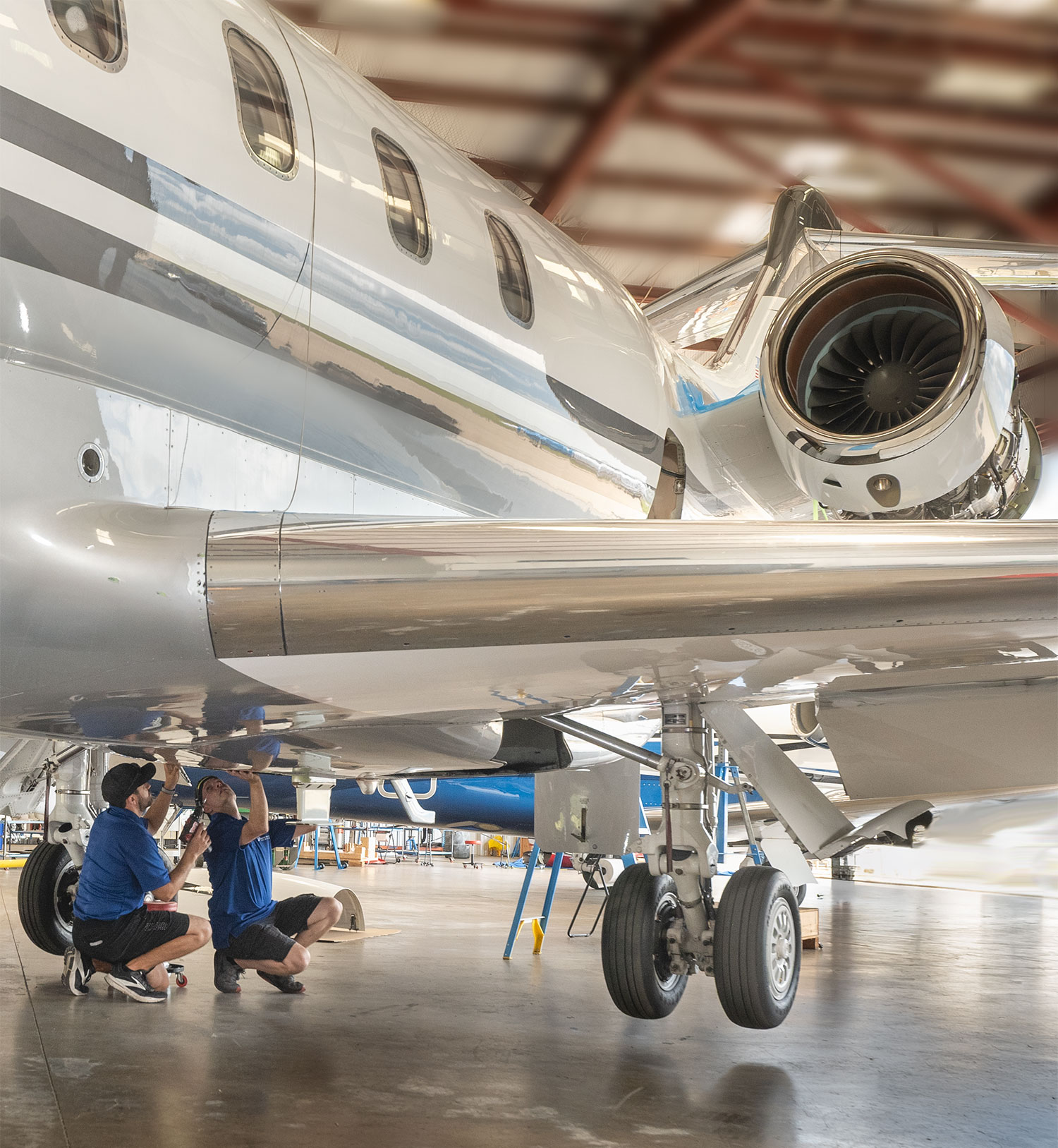
Challenger aircraft at Plane Place Aviation
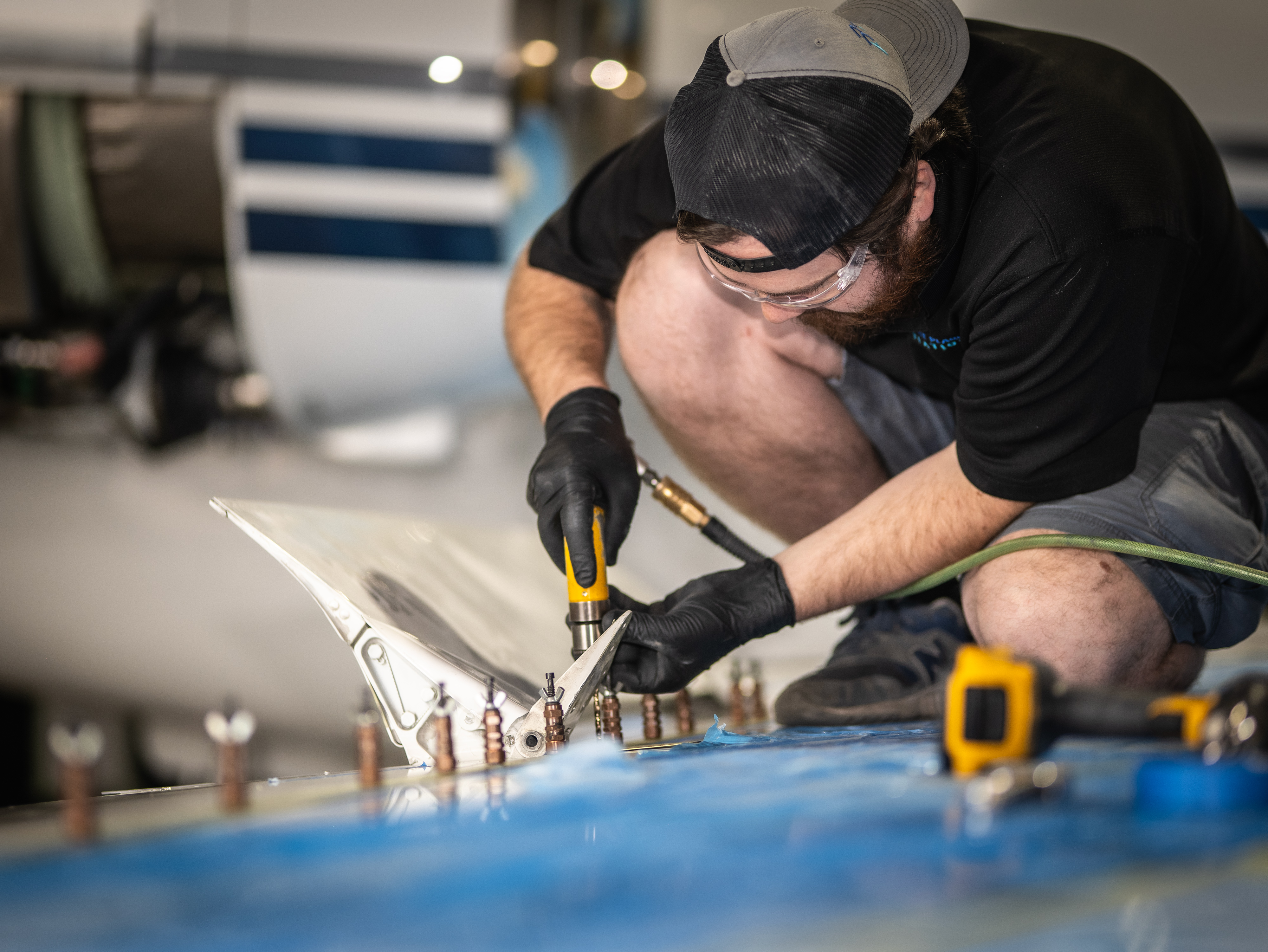
Challenger winglet structural work
Technician performing Challenger maintenance
Challenger aircraft in the Plane Place Aviation shop undergoing maintenance
Challenger
Capabilities

Our technicians have deep, hands-on experience with every model in the Challenger family. From routine phase inspections to complex structural work, we have the tooling, parts access, and type-specific knowledge to keep your Challenger flying.

96/192-month inspectionsPhase inspectionsLanding gear removal & overhaulStructural repairsAvionics systemsPre-purchase inspectionsAOG response
Get a Quote