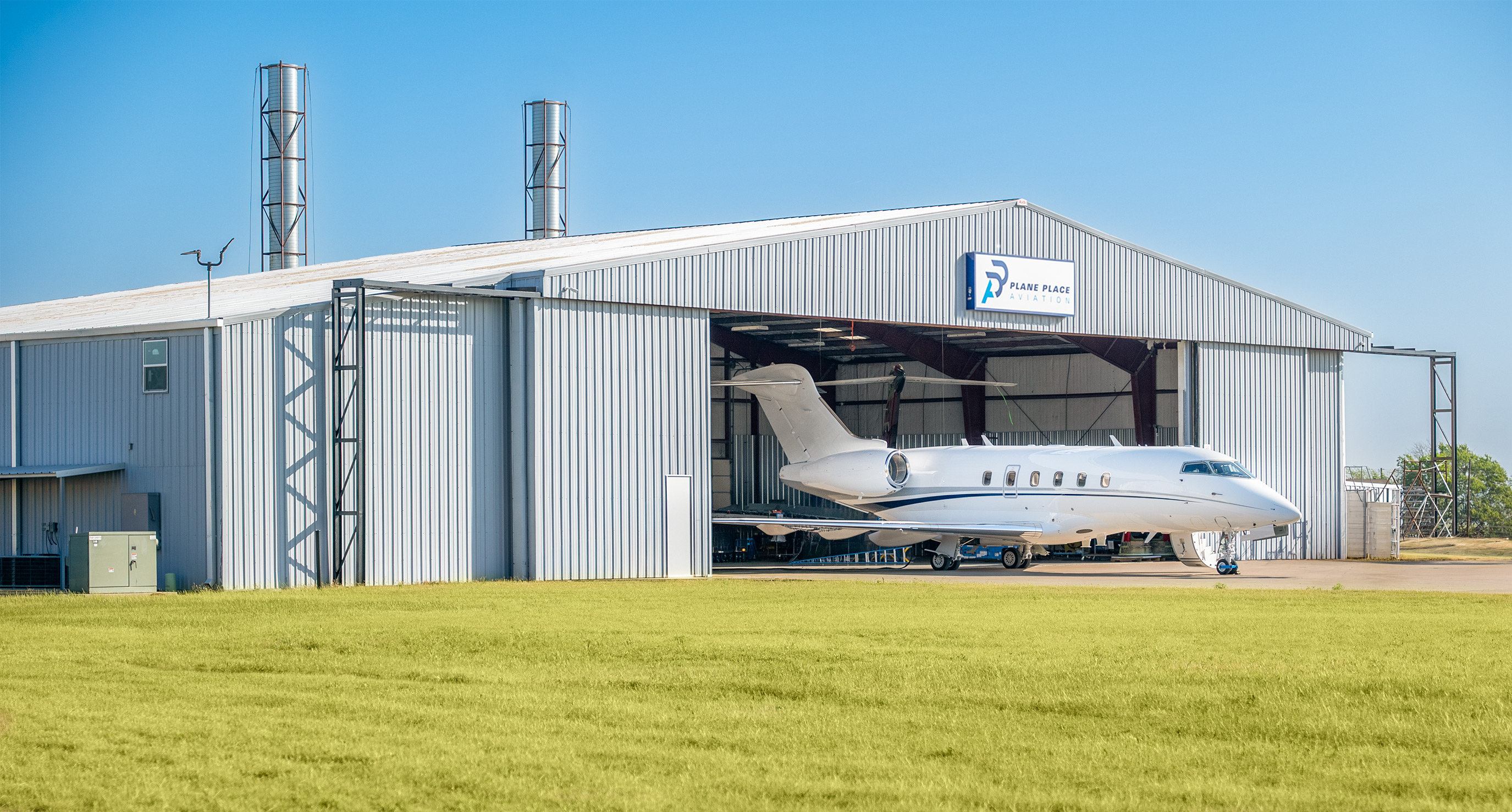
Challenger 300 & 350 Maintenance Guide: Inspections, Heavy Events, and Operator Planning
An operator's guide to Challenger 300 and 350 maintenance — inspection intervals, what happens during heavy events, why downtime varies between shops, and how to plan ahead.
The Bombardier Challenger 300 and Challenger 350 are among the most popular super-midsize business jets in operation today. They are also two of the most maintenance-friendly aircraft in their class when operated under a properly managed inspection program.
Because the Challenger 300 and 350 share nearly identical airframes and maintenance philosophies, operators can generally expect the same inspection structure, maintenance intervals, and long-term planning requirements across both aircraft.
This guide breaks down the published maintenance intervals, estimated man-hours, and what operators should realistically expect during routine and heavy inspection events.
Understanding the Challenger 300 & 350 Maintenance Program
Both aircraft follow a MSG-3-based maintenance program, meaning inspections are driven by flight hours, calendar time, and aircraft landings. Whichever limit occurs first becomes the controlling inspection requirement.
The maintenance program is designed to spread workload across recurring inspection intervals while concentrating larger structural and systems inspections into major long-term events.
For operators, understanding where those heavy inspections occur is critical for budgeting downtime, scheduling maintenance, and avoiding surprises.
What Happens During Heavy Challenger Inspections?
The largest maintenance events on the Challenger 300 and 350 occur during the 48-month, 96-month, and 7,500-landing / 192-month inspections.
These inspections involve substantially more aircraft disassembly than routine hourly or annual events. Operators should expect:
Extensive panel removal
Cabin, fairings, and cowlings opened for access.
Structural inspections
Defined-zone visual checks across the primary structure.
NDT inspections
Eddy current, ultrasonic, and fluorescent-penetrant testing.
Fuel tank access and inspection
Tank entry, sealant condition, internal component checks.
Landing gear removal, inspection, and LLP verification
Time-tracked component audit and overhaul as required.
Flight control inspections and checks
Hinges, bearings, rigging, and bonding integrity.
Corrosion inspection and treatment
Fleet-wide patterns and known problem areas.
Detailed systems testing
Hydraulics, pressurization, environmental, and electrical bonding.
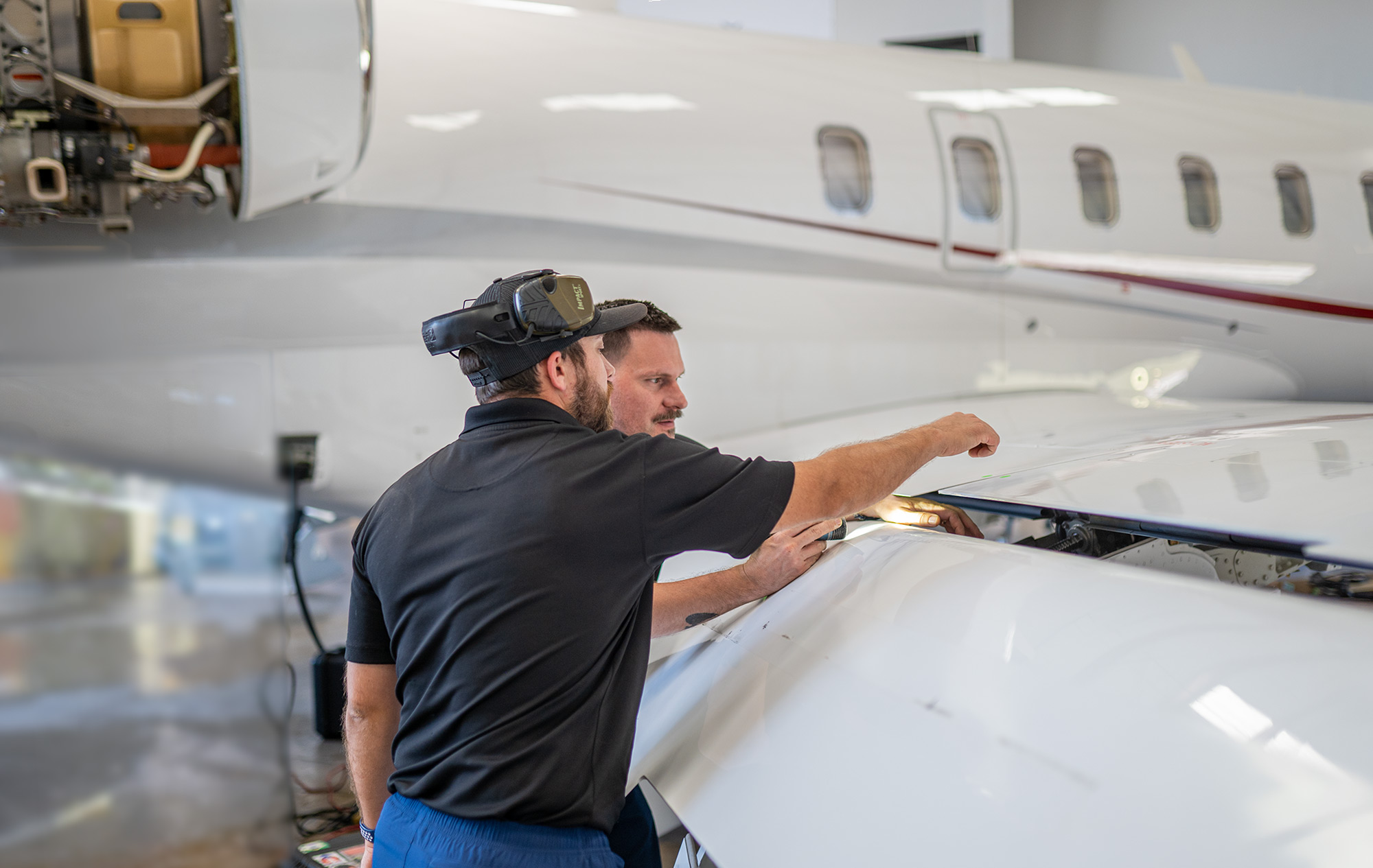
The 7,500-landing event is generally considered the heaviest scheduled inspection in the aircraft's maintenance program.
A well-maintained aircraft with strong records and consistent maintenance history may remain close to published labor estimates. Aircraft with deferred discrepancies, corrosion exposure, incomplete records, or aging interiors often exceed baseline estimates substantially.
Why Challenger Downtime Varies Between Maintenance Shops
Most Challenger inspection man-hours are predictable. What separates maintenance providers is how efficiently they manage findings once the aircraft is opened.
During major inspections, additional repairs are common. Structural findings, corrosion, component wear, and wiring discrepancies can quickly extend downtime if the maintenance facility lacks:
Challenger-specific experience
Familiarity with the airframe and its known findings.
In-house structural capability
Damage-tolerant repairs completed without sending the work out.
Established vendor support
Existing relationships for landing gear, engines, and components.
Familiarity with Bombardier inspection requirements
Working knowledge of the task cards and SB compliance.
Efficient parts sourcing
Proactive parts coordination during the inspection.
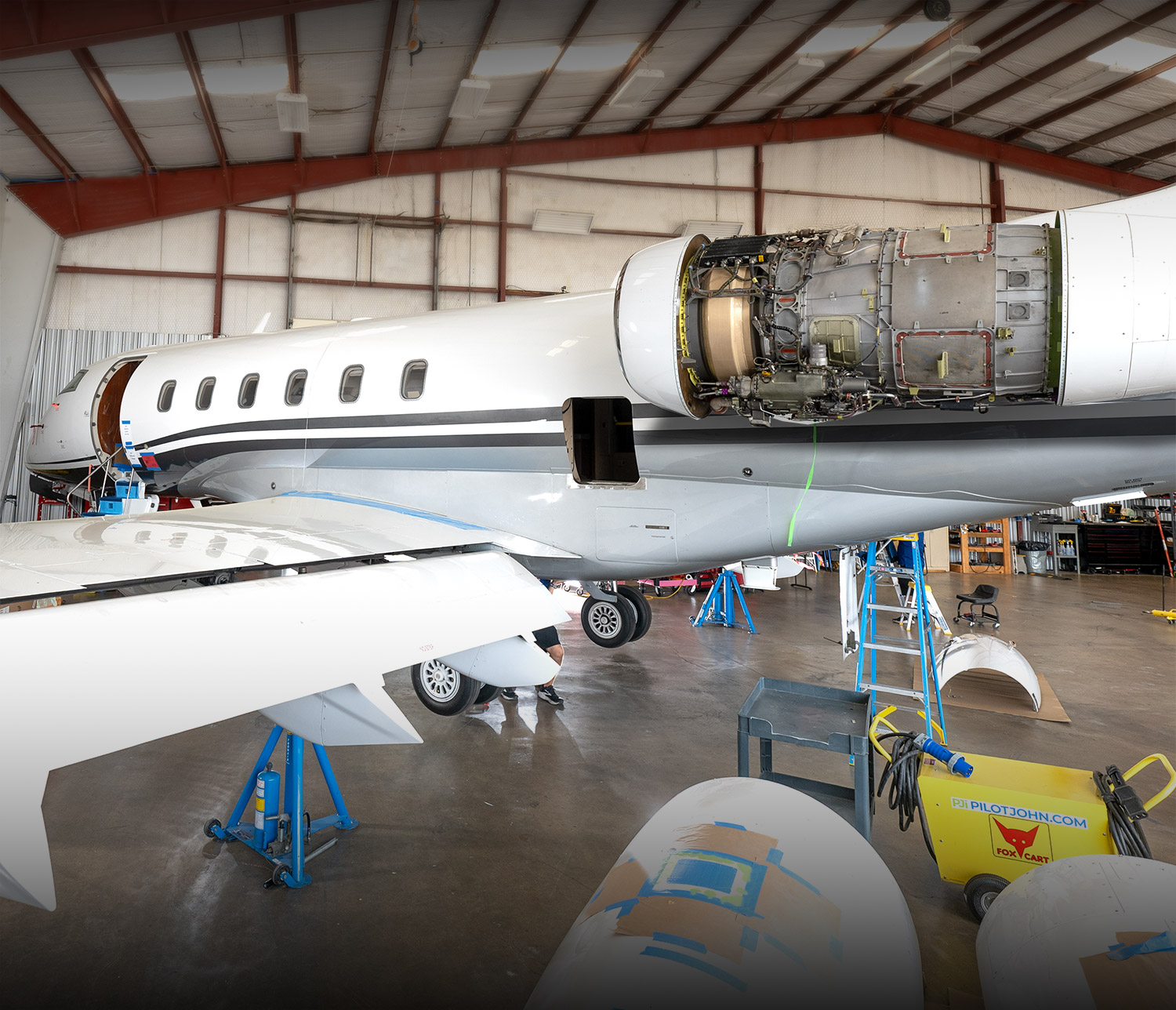
Facilities unfamiliar with the Challenger platform often outsource repairs, creating additional downtime through ferry coordination, third-party structural repairs, and delayed parts procurement.
For operators, choosing a shop that routinely performs Challenger inspections can significantly reduce schedule disruption during heavy events.
Challenger 300 vs. Challenger 350 Maintenance Differences
From a maintenance planning perspective, the Challenger 300 and Challenger 350 are extremely similar aircraft. However, several differences affect inspection and support requirements:
Engine Differences
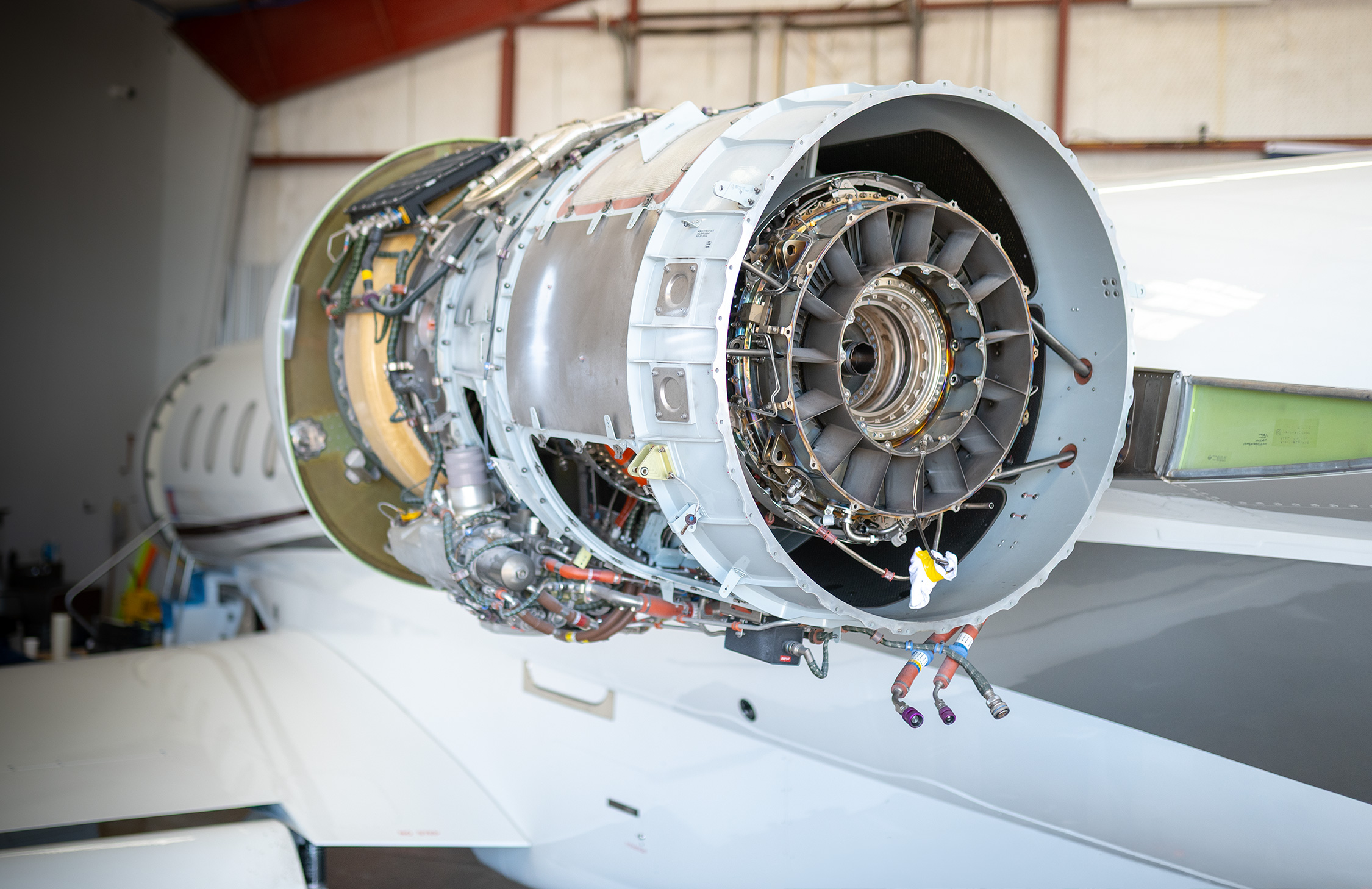
The Challenger 300 uses the Honeywell HTF7000 engine, while the Challenger 350 uses the uprated HTF7350. Although the engines follow a similar maintenance philosophy, the 350 incorporates updated software, engine components, and support considerations.
Avionics Differences
Challenger 350 aircraft introduced Collins Pro Line 21 Advanced avionics, which differs from the earlier Pro Line 21 systems installed in the Challenger 300.
Winglet Configuration
The Challenger 350 introduced canted winglets that slightly alter inspection access and structural inspection requirements.
Despite these differences, most maintenance facilities experienced on the Challenger 300 platform can support the Challenger 350 as well.
Planning Ahead for Challenger Heavy Maintenance
Operators approaching a major Challenger inspection should begin planning well in advance. Before scheduling a 48-month, 96-month, 192-month, or 7,500-landing inspection, it is smart to review:
Aircraft maintenance records
Complete history including any deferred items.
Open Service Bulletins
Compliance audit ahead of the event.
Airworthiness Directive status
Current AD compliance verified.
Landing gear LLP tracking
Time-tracked component audit.
Engine program coverage
Honeywell MSP status and inclusions.
Interior refurbishment needs
Cabin work that bundles cleanly with the visit.
Why Operators Choose Plane Place Aviation for Challenger Maintenance
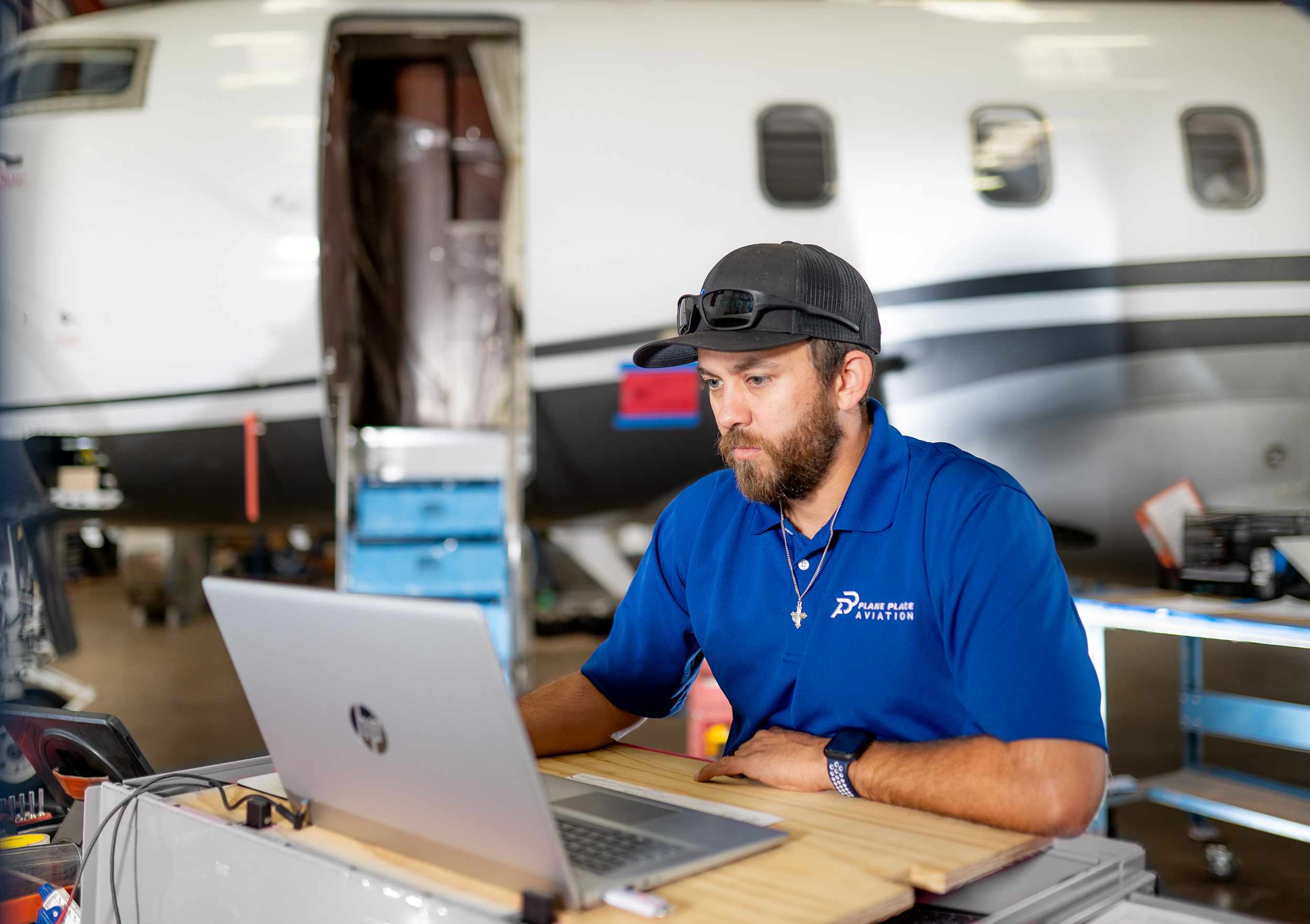
Plane Place Aviation focuses exclusively on business aircraft maintenance, including Challenger, Citation, and Hawker platforms.
Our team routinely performs Challenger inspections ranging from routine scheduled maintenance to major structural and heavy inspection events.
Because Challenger maintenance is part of our daily operation — not an occasional project — we understand the inspection flow, recurring findings, and planning considerations that affect operator downtime.
Frequently Asked Questions
What is the heaviest scheduled inspection on a Challenger 300 or 350?
The 7,500-landing / 192-month inspection is typically the largest scheduled maintenance event in the program, involving extensive structural inspection and aircraft disassembly.
Are Challenger 300 and Challenger 350 inspections basically the same?
Yes. The aircraft share nearly identical maintenance programs, with only minor differences related to engines, avionics, and winglet configuration.
How often are Challenger maintenance programs updated?
Bombardier periodically revises the Maintenance Planning Document (MPD). Operators should always reference the latest approved revision when planning inspections.
Do heavy inspections always exceed published man-hours?
Not always, but findings discovered during inspection commonly increase labor beyond baseline published estimates.
Final Thoughts
The Challenger 300 and 350 remain some of the most reliable and operationally efficient super-midsize aircraft in business aviation.
But like any high-performance aircraft, long-term reliability depends heavily on proactive maintenance planning and choosing a facility experienced with the platform.
Understanding inspection intervals, heavy maintenance events, and realistic downtime expectations allows operators to better control maintenance costs and reduce operational disruption.
Inspection cadence, recurring findings, parts notes, and what operators should know about challenger maintenance with PPA.
Planning a Challenger 300 or 350 maintenance event?
We do Challenger work weekly — send your airframe details and the next scheduled interval, and we'll come back with a scope and a turn target.